





28views
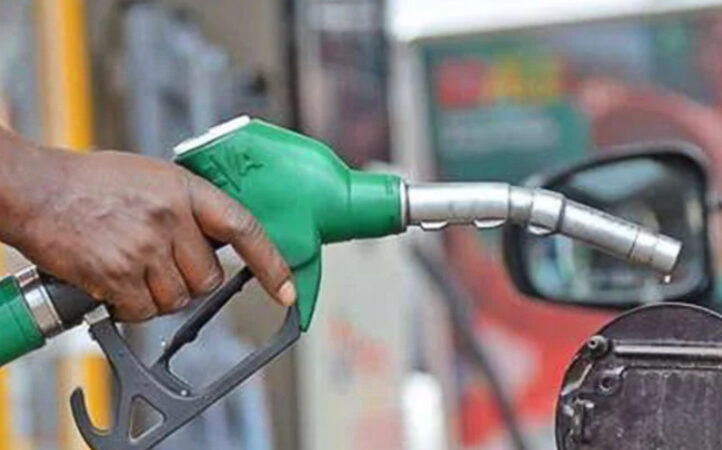
Nigerians may soon enjoy lower petrol prices as petroleum marketers project that Premium Motor Spirit (PMS) could sell for as low as N1,200 per litre following a fresh price reduction by the Dangote Petroleum Refinery.
The refinery has slashed its ex-depot petrol price by N75 per litre, reducing the gantry price from N1,250 to N1,175 per litre amid declining global crude oil prices triggered by easing tensions between the United States and Iran.
The latest adjustment has already prompted other fuel depot operators to lower their prices to around N1,180 per litre, according to industry reports.
Despite the reduction at the depot level, many filling stations across the country continue to sell petrol at about N1,280 per litre, with marketers explaining that they need time to clear existing stock purchased at higher rates before implementing new pump prices.
In a circular issued to marketers, the Dangote Petroleum Refinery attributed the downward review to the recent de-escalation of geopolitical tensions in the Middle East, which had significantly influenced global energy prices over the past three months.
The refinery announced that the new gantry price of N1,175 per litre and a revised coastal price of N1,495,215 per metric tonne took effect from midnight on June 16, 2026.
“Following the de-escalation of tensions in the Middle East, which has impacted energy prices, we have reviewed our premium motor spirit gantry/coastal price,” the refinery stated.
The reduction follows a sharp decline in global crude oil prices after reports emerged that the United States and Iran had reached a peace agreement, leading to the reopening of the strategic Strait of Hormuz.
At the height of the conflict, crude oil prices surged above $120 per barrel, contributing to a significant increase in fuel prices worldwide. However, prices have since dropped below $80 per barrel, providing room for downward adjustments in domestic fuel costs.
Speaking on the development, the National Publicity Secretary of the Independent Petroleum Marketers Association of Nigeria (IPMAN), Chinedu Ukadike, said consumers should expect petrol prices to begin adjusting within days.
According to him, petrol could sell between N1,200 and N1,250 per litre in Lagos, while prices may remain slightly higher in other parts of the country due to transportation and logistics costs.
Ukadike explained that marketers are currently focused on selling off old stock purchased at higher prices to avoid financial losses.
“This announcement allows marketers to clear old inventory and prepare for fresh supplies at the new rate,” he said.
He added that fuel loading activities often slow down immediately after major price reviews, giving marketers a short window to dispose of existing stock before purchasing new supplies.
“By tomorrow and Friday, people will start adjusting to the new price,” he stated.
However, the Petroleum Products Retail Outlet Owners Association of Nigeria (PETROAN) expressed concerns about the pricing structure, with its spokesman, Joseph Obele, arguing that imported fuel currently appears cheaper than some locally refined products.
Obele called on the Nigerian Midstream and Downstream Petroleum Regulatory Authority (NMDPRA) to expand fuel import licensing in order to encourage competition and improve market efficiency.
The latest development has also sparked reactions among Nigerians, with many social media users arguing that the N75 reduction does not fully reflect the magnitude of the recent decline in global crude oil prices.
Petrol prices in Nigeria rose sharply from around N830 per litre to nearly N1,300 per litre during the three-month US-Iran conflict as crude oil prices surged.
With global oil prices now trending downward following the ceasefire agreement, industry analysts believe further reductions may be on the horizon. Some projections suggest petrol prices could eventually fall below N1,000 per litre if crude prices continue to decline and market conditions remain stable.
Industry insiders at the Dangote refinery, however, note that the company is still processing previously acquired crude purchased at higher prices, a factor that may influence the pace of future reductions.
add a comment