



38views
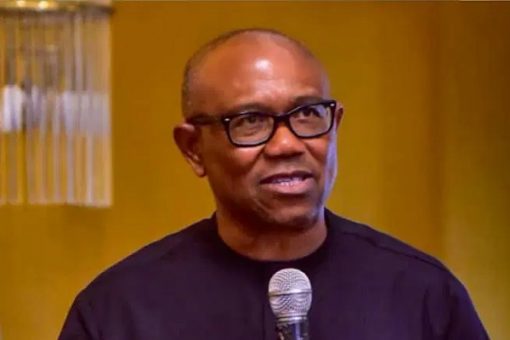
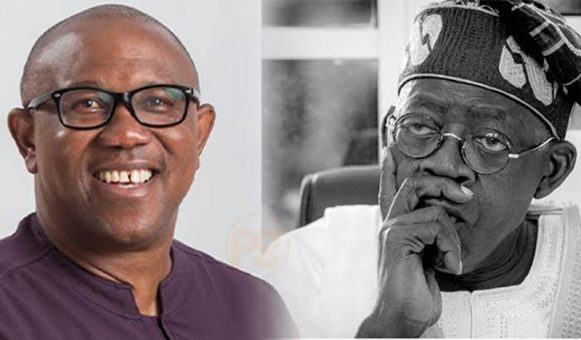
The Presidency has strongly rejected calls by former Anambra State Governor and Nigeria Democratic Congress (NDC) presidential candidate, Peter Obi, for President Bola Ahmed Tinubu to resign, describing the demand as “childish,” “hollow,” and rooted in a misunderstanding of Nigeria’s system of government.
Special Adviser to the President on Information and Strategy, Bayo Onanuga, made the remarks while responding to Obi’s reaction to the resignation announcement by British Prime Minister Keir Starmer.
Obi had argued that Starmer’s decision to step down following mounting public dissatisfaction over economic challenges and unmet campaign promises highlighted the importance of accountability in leadership. Drawing parallels with Nigeria, he claimed that worsening economic conditions, insecurity, and unreliable power supply under President Tinubu justified calls for the President to resign.
In a statement posted on his X account titled “Owning Up to Leadership Failures and Political Responsibility,” Obi said the British political development demonstrated how leaders should take responsibility when they fail to meet public expectations.
According to him, Nigeria’s current realities contrast sharply with promises made during the 2023 election campaign. He maintained that insecurity, economic hardship, and poor electricity supply have worsened since Tinubu assumed office.
Obi further recalled that Tinubu had criticised former President Goodluck Jonathan during the Chibok schoolgirls’ abduction crisis and urged him to resign, arguing that the same standard of accountability should apply today.
However, Onanuga dismissed the comparison between Nigeria and the United Kingdom, stressing that both countries operate different systems of government.
“Obi forgets that Nigeria does not run a parliamentary system like the UK. We operate a presidential system where the President is elected for a fixed term,” Onanuga said.
The presidential aide insisted that leadership accountability in Nigeria is exercised through elections, noting that Nigerians would have the opportunity to assess Tinubu’s performance during the next presidential election scheduled for 2027.
He also cited recent electoral victories by the ruling All Progressives Congress (APC) in several states as evidence of continued public support for President Tinubu and his administration.
Onanuga accused Obi of presenting a distorted picture of the country’s situation and ignoring what he described as notable achievements recorded by the government since May 2023.
Defending the administration’s security efforts, he said the government had intensified military operations, improved intelligence gathering, rescued kidnapped victims, and neutralised terrorist leaders across various parts of the country.
He further claimed that more than 15,000 terrorists had been removed from operational networks through ongoing security operations.
On the economy, Onanuga highlighted positive GDP growth, increased foreign reserves, trade surpluses, improved oil production, and stronger government revenues as indicators that the administration’s reforms are yielding results.
He also pointed to major infrastructure projects, including the Lagos-Calabar Coastal Highway and the Sokoto-Badagry Super Highway, as evidence of the government’s commitment to national development.
According to him, initiatives such as the compressed natural gas (CNG) programme, student loan scheme, and reforms in the electricity sector demonstrate the administration’s focus on long-term solutions rather than political rhetoric.
The Presidency also defended Tinubu’s performance in the education sector, noting that universities have operated without prolonged strikes by academic unions during his tenure.
While acknowledging the challenges posed by the rising cost of living, Onanuga attributed part of the situation to global economic pressures and geopolitical developments affecting supply chains and commodity prices worldwide.
He maintained that President Tinubu remains focused on implementing reforms aimed at stabilising the economy, improving security, and creating a foundation for long-term prosperity.
The Presidency concluded by urging Obi to await the 2027 presidential election rather than campaign for the President’s resignation, insisting that Nigerians—not political opponents—would ultimately decide the administration’s future at the polls.
add a comment