





US Downs Iranian Drones Over Strait of Hormuz as War Hits 100 Days Amid Fresh Diplomatic Push

36views
The United States has announced the destruction of two Iranian drones over the strategic Strait of Hormuz, marking another escalation in the conflict as the war entered its 100th day on Sunday with no clear path to peace.
The latest military action came as Pakistan intensified diplomatic efforts to ease tensions, delivering a message to Iran’s supreme leader amid stalled negotiations and renewed regional instability.
According to the US Central Command (CENTCOM), the drones were shot down after posing a threat to international maritime traffic in the crucial shipping corridor. The operation followed earlier US strikes that reportedly targeted four additional drones and Iranian coastal surveillance radar installations.
The Strait of Hormuz remains one of the world’s most important energy transit routes, making any military activity in the area a major concern for global markets.
Pakistan Steps Up Mediation Efforts
In a sign of renewed diplomatic engagement, Pakistan’s Interior Minister, Mohsin Naqvi, arrived in Tehran over the weekend carrying what he described as a “special letter” from Pakistan’s military chief, Syed Asim Munir, to Iran’s Supreme Leader, Ayatollah Mojtaba Khamenei.
Naqvi also conveyed a message from Pakistan’s prime minister regarding the ongoing crisis.
“I think it’s a very important message,” Naqvi told reporters upon arrival in Tehran, underscoring Pakistan’s growing role in efforts to mediate between Washington and Tehran.
Pakistan has emerged as a key intermediary following recent direct talks between Iranian and US officials held in Islamabad.
Negotiations Remain Stalled
Despite ongoing diplomatic contacts, Tehran signalled that negotiations remain deadlocked.
Iranian military adviser Mohsen Rezaei stated that discussions with the United States had reached an impasse, urging US President Donald Trump to take steps toward resolving the dispute.
Rezaei also renewed Iran’s demand for the release of approximately $24 billion in frozen assets.
However, US officials indicated that Washington may instead seek to channel Iranian assets toward supporting Gulf allies affected by Iranian military actions.
Gulf Tensions Rise
The conflict intensified further after Iran reportedly launched a barrage of missiles toward Bahrain and Kuwait on Saturday, prompting sharp condemnation from the Gulf nations and raising concerns over the durability of the fragile ceasefire reached in April.
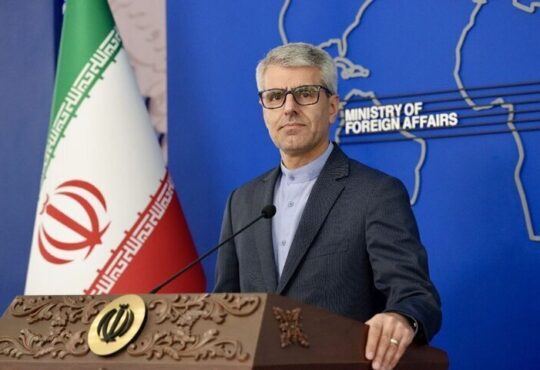
Iran’s Foreign Ministry condemned the latest US military strikes, accusing Washington of engaging in “hostile and provocative behaviour” and violating international norms.
Lebanon Conflict Complicates Peace Efforts
The wider regional conflict continues to complicate peace initiatives.
Lebanese Army Commander Rodolphe Haykal departed for Pakistan for separate discussions aimed at ending hostilities involving Hezbollah and Israel.
Lebanon has remained embroiled in the conflict since Hezbollah opened a front against Israel earlier this year. Iran has consistently argued that developments in Lebanon are closely linked to broader negotiations with the United States.
Meanwhile, Lebanese authorities reported that an Israeli strike in southern Lebanon killed three soldiers, while two civilians were also reported dead and dozens injured in a separate attack.
Israel said it was reviewing the military incident and maintained that its operations are directed at Hezbollah targets rather than Lebanese state forces.
The Israeli military also confirmed the deaths of two of its soldiers and announced on Sunday that it had intercepted two projectiles launched from Lebanese territory.
Uncertain Road Ahead
With ceasefire efforts repeatedly faltering, military exchanges continuing across multiple fronts, and diplomatic talks showing little progress, hopes for a lasting settlement remain uncertain.
As the conflict enters its fourth month, international mediators face mounting pressure to prevent further escalation that could destabilise the Middle East and disrupt global energy supplies.
add a comment